The Complete Guide
Personal Branding for Leaders
Stop chasing opportunities and start attracting them. Build a personal brand that works for you even when you're not in the room.
Visibility Is the New Job Security
I've spent over 12 years in recruitment. I've placed hundreds of professionals into senior leadership roles. And I've seen the same pattern play out again and again:
The leaders who thrive aren't always the most qualified on paper. They're the most visible, positioned, and intentional about their careers.
When restructures happen, the people who survive aren't always the best performers. They're the ones whose value is visible and understood. Your personal brand, your network, your reputation outside your immediate team: these are no longer "nice to have." They're insurance.
Your personal brand is what people say about you when you're not in the room.
It's the reputation that precedes you and the impression that lingers after you leave. In the age of AI and flattening organisations, it's the difference between having options and scrambling for them.
I've seen brilliant people get overlooked because no one knew what they stood for. I've seen less experienced candidates win roles because they knew how to position their value. I've seen senior leaders made redundant who had no personal brand outside their company.
The question isn't "Should I build a personal brand?" The question is "Can I afford not to?"
The Attract-Position-Scale Framework
The three shifts that separate those who chase opportunities from those who attract them.
Attract
The right opportunities find you
Stop chasing opportunities and start attracting them. This means building a personal brand that works for you even when you're not in the room. It means being known for something specific. It means having a network that mentions your name in rooms you've never entered.
The shift: From "How do I find opportunities?" to "How do I become someone opportunities find?"
Position
You're chosen, not compared
When you're positioned well, you stop competing on credentials and start being selected for fit, potential, and presence. Your story is so clear that others can advocate for you. Your edge, what you bring that no one else does, is obvious and compelling.
The shift: From "How do I stack up against the competition?" to "How do I become the only logical choice?"
Scale
Your reputation compounds over time
Personal branding isn't a one-time project. It's a system that compounds. Each piece of content, each conversation, each connection adds to your reputation. Over time, you build an identity as a leader (not just someone who leads). You create a body of work that speaks for you.
The shift: From "How do I get noticed?" to "How do I build something that lasts?"
What Personal Branding Actually Looks Like
It's not about being famous. It's about being known by the right people.
What it's NOT
- ✕Bragging about your achievements
- ✕Creating a fake persona online
- ✕Posting constantly without substance
- ✕Chasing followers and vanity metrics
- ✕Being someone you're not
What it IS
- ✓Sharing insights that help others
- ✓Being known for something specific
- ✓Showing up consistently with value
- ✓Building genuine relationships
- ✓Amplifying your authentic strengths
The best personal brands focus on adding value to others. When you consistently help people solve problems and offer perspectives that make them think differently, you build trust and credibility. The opportunities follow naturally.
Building Your Personal Brand
Practical steps to increase your visibility and position yourself as the expert.
Get Clear on Your Position
What do you want to be known for? Your position should sit at the intersection of what you're genuinely good at, what you care about, and what the market values. Think about the problems you solve, the unique way you approach work, and the topics you could talk about for hours.
Ask yourself: "If someone Googled my name, what would I want them to find?"
Optimise Your LinkedIn Profile
Your LinkedIn profile is often someone's first impression of you. It should clearly communicate your value proposition, not just list your job titles. Write a headline that describes what you do and who you help. Use your About section to tell your story and showcase your expertise.
The goal: When someone lands on your profile, they immediately understand what you do and why it matters.
Share Your Perspective Consistently
You don't need to post every day, but you do need to show up regularly. Share insights from your experience, lessons learned, perspectives on industry trends. Comment thoughtfully on others' posts to build relationships. Consistency matters more than perfection.
Start with: 2-3 posts per week and meaningful comments daily.
Build Strategic Relationships
Your network amplifies your brand. Connect with people you admire, engage with their content, and look for opportunities to collaborate. Reach out to people directly. Send a message to the CEO you want to learn from. The worst they can say is no.
Remember: Mone landed her cybersecurity role because a CEO she'd messaged on LinkedIn followed her journey and reached out.
Expand Beyond LinkedIn
LinkedIn is a great foundation, but don't stop there. Look for opportunities to speak at industry events, join panels, contribute to podcasts, or write for industry publications. Each platform compounds your visibility and reinforces your position.
Think: Where does your target audience already gather?
Your Professional Power Statement
A clear, compelling way to describe what you do and why it matters.
Your Professional Power Statement answers the question: "What do you do?" in a way that's memorable and meaningful. It's not your job title. It's the impact you create.
Formula
I help [who] achieve [what] so they can [impact].
Example 1:
"I help senior leaders build career confidence so they can land roles they deserve."
Example 2:
"I help tech companies find exceptional talent so they can build products that matter."
Example 3:
"I help organisations transform their data into decisions so they can stay ahead of the market."
The Best Time to Build Your Brand Was Yesterday
Personal branding is an asset that compounds over time. The leaders who invest in visibility now will have options when they need them. Those who wait until they're job hunting or facing a restructure will be starting from zero when the stakes are highest.
The best time to build career resilience was five years ago. The second best time is today.
Learn About Bold MovesFAQ
Frequently Asked Questions
Common questions about personal branding for leaders
What is personal branding?
Personal branding is how you present yourself professionally and what you're known for in your industry. It's not about being famous or having a huge following. It's about being known for something specific by the right people. Your personal brand is what people say about you when you're not in the room. It's the reputation that precedes you and the impression that lingers after you leave.
Why is personal branding important for leaders?
Personal branding is your career insurance. When restructures happen, the people who survive aren't always the best performers. They're the ones whose value is visible and understood. A strong personal brand means opportunities find you rather than you chasing them. It means being chosen for roles rather than competing against hundreds of applicants. In the age of AI and flattening organisations, visibility is the new job security.
How do I build a personal brand on LinkedIn?
Start by getting clear on what you want to be known for. Then consistently share content around that expertise: insights from your experience, lessons learned, perspectives on industry trends. Comment thoughtfully on others' posts to build relationships. Your profile should clearly communicate your value proposition, not just list your job titles. The goal is that when someone lands on your profile, they immediately understand what you do and why it matters.
What should my personal brand be about?
Your personal brand should sit at the intersection of three things: what you're genuinely good at, what you care about, and what the market values. It's not about inventing a persona. It's about amplifying the authentic strengths and perspectives you already have. Think about the problems you solve, the unique way you approach work, and the topics you could talk about for hours without getting bored.
How long does it take to build a personal brand?
Building a recognisable personal brand takes consistent effort over 6 to 12 months minimum. But you'll start seeing results sooner than that. People will begin recognising your name, reaching out with opportunities, and thinking of you when relevant conversations come up. The key is consistency, not perfection. Showing up regularly with valuable insights matters more than occasional viral posts.
Is personal branding the same as self-promotion?
Personal branding done well isn't about bragging or self-promotion. It's about being useful and visible. The best personal brands focus on adding value to others, sharing insights that help people solve problems, offering perspectives that make people think differently. When you consistently help others, you build trust and credibility. The opportunities follow naturally.
Do I need a personal brand if I'm happy in my current role?
Yes. The best time to build career resilience is before you need it. Waiting until you're job hunting or facing a restructure is too late. Your personal brand is an asset that compounds over time. The leaders who invest in visibility now will have options later. Those who wait will be competing with everyone else who also waited.
What's the difference between personal branding and networking?
Networking is about building relationships one-to-one. Personal branding is about building a reputation one-to-many. They work together. Your personal brand makes networking more effective because people already know who you are and what you stand for before you meet. And your network amplifies your brand by mentioning your name in rooms you haven't entered.
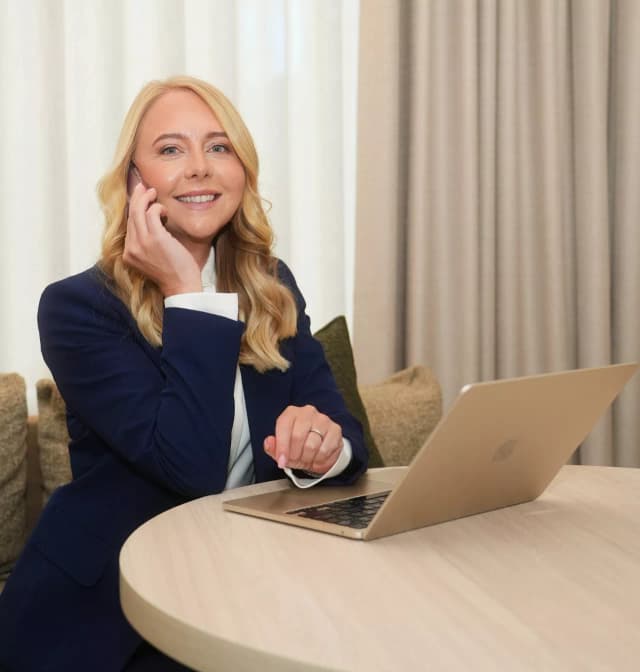
About the Author
Georgie Hubbard
Georgie Hubbard is a career coach, keynote speaker, and author of The Bold Move. With 12+ years in recruitment and 8+ years leading her own agency, she has interviewed thousands of candidates and placed hundreds into leadership roles.
She founded CH Solutions (IT recruitment), hosts the Career Confidence Podcast, and runs Bold Moves — a 60-day career accelerator helping leaders build confidence and strategic positioning.
Stop Waiting to Be Discovered
Build a personal brand that makes you impossible to overlook. Bold Moves is a 60-day career accelerator that gives you the strategy, accountability, and frameworks to attract opportunities.